

Need support with warehouse racking or shelving safety?
Whether you need a free checklist, a site inspection, or an ongoing maintenance plan — Palian is here to help.
SAFETY & AWARENESS
Practical guidance to help your team identify visible risks early, reinforce safer daily use, and know when professional support may be needed.
Important: Overloading and incorrect pallet use create unnecessary warehouse risk. Storage systems should always be used within intended limits and operating conditions.
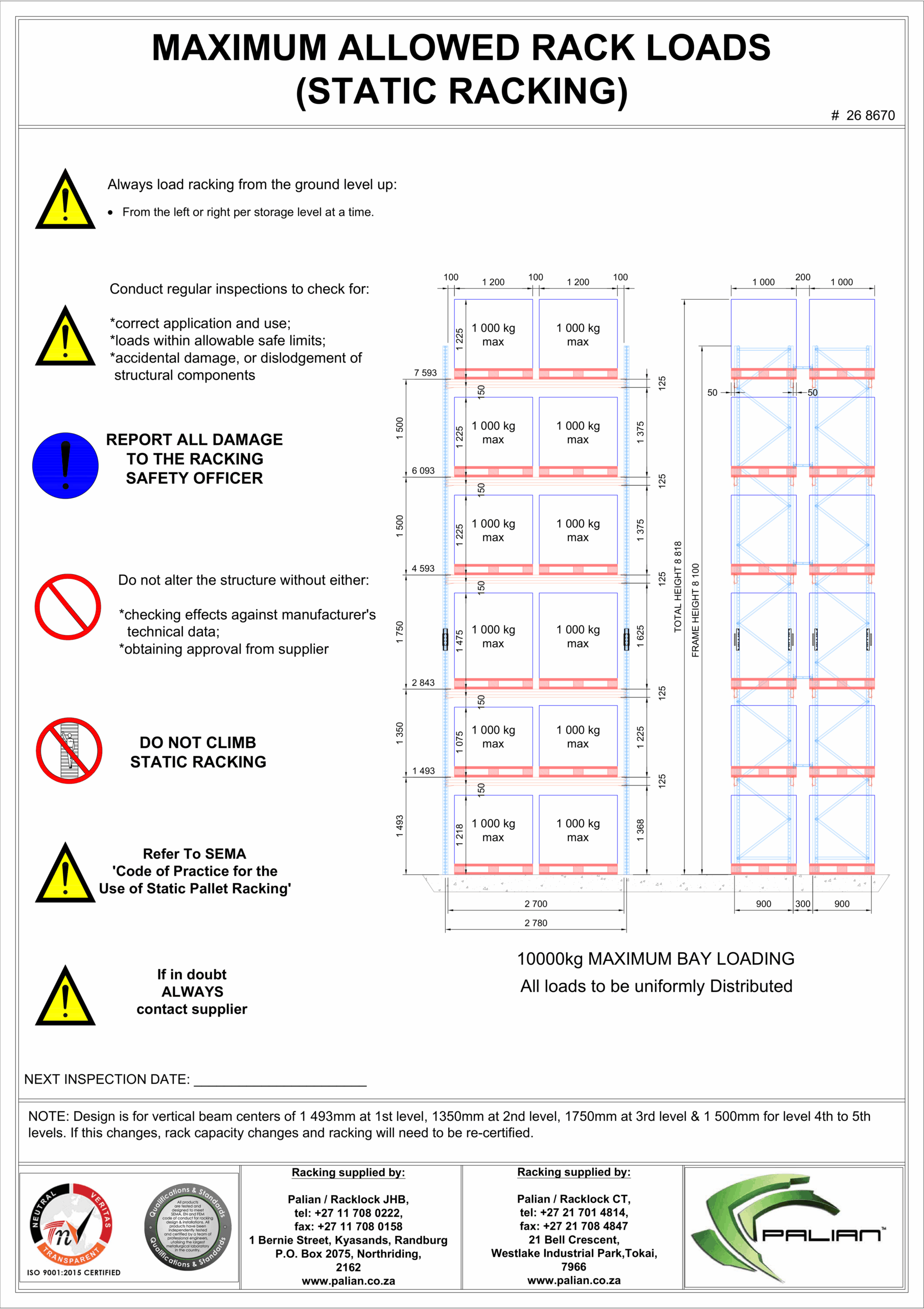
Warehouse racking is a structural storage system, not just shelving. Every installation is designed for specific load capacities, pallet types, beam levels, and operatingclearances. Rack safety signs and loading charts communicate those limits clearly so the system can be used safely and correctly.
At Palian, we supply rack safety signs as part of responsible warehouse safety practice. They help clients, supervisors, forklift operators, and safety teams understand the design limitations of the installation and reduce the risk of misuse.
A loading chart is not a suggestion. It reflects the operating limits of the racking system as designed.
When loads exceed the specified limits, or when pallets are used incorrectly, the rack may be exposed to stresses it was not designed to handle. This can lead to:
Even small departures from the intended loading method can create cumulative damage over time.
Why this matters
Racking and shelving are load-bearing systems. Correct use and regular checks matter — not just for compliance, but for protecting people, stock, and operations.
Reporting reduces stock loss, downtime, and unnecessary exposure
Visual checks help teams spot issues before they escalate
Tolerance for ignored forklift impacts on racking structures
Damage severity categories to guide your response
ENGINEERING & CREDENTIALS
Warehouse racking systems are load-bearing structures. For qualifying larger installations, qualified engineering input and formal certification provide added confidence in the approved structural solution.
All the racking components complies with the requirements as set out in the SEMA, BS EN and SANS codes.
Palian’s engineering team provides certified input for relevant large racking installations — giving you structural confidence backed by professional registration.
COMMON WAREHOUSE RISKS
Identify these issues early. Visible damage to racking or shelving should never be ignored — it is a safety issue, not a cosmetic one.
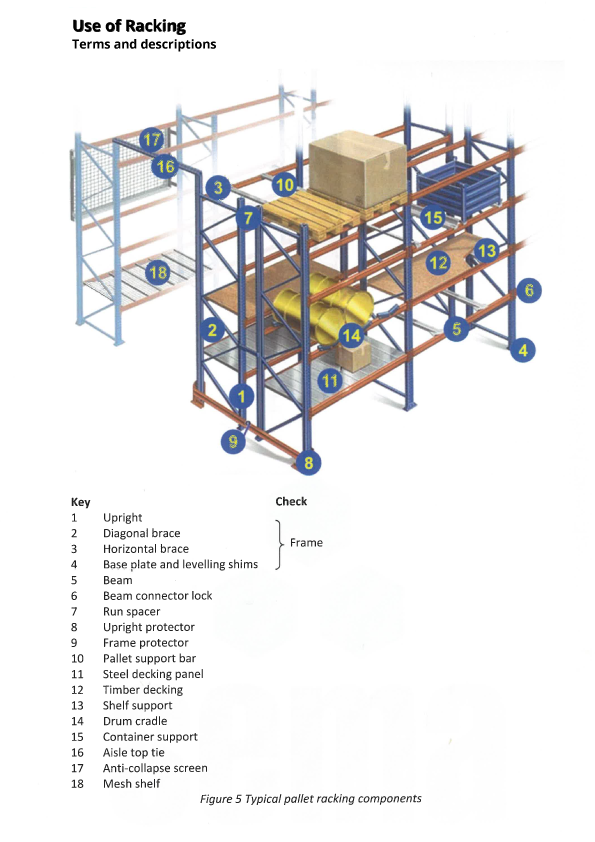
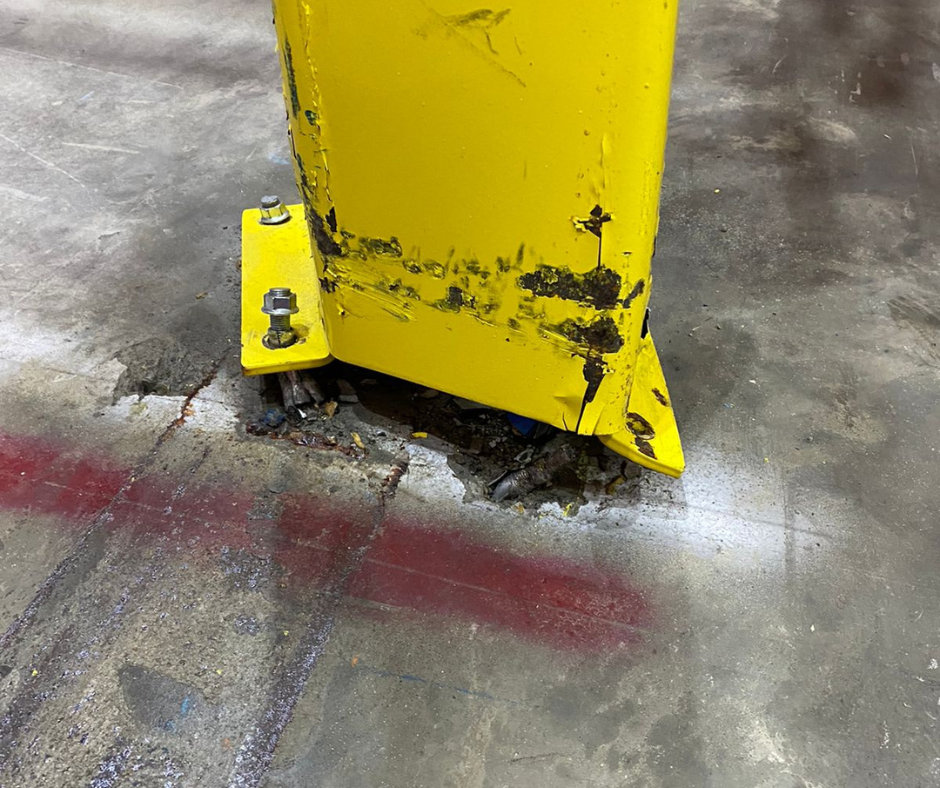
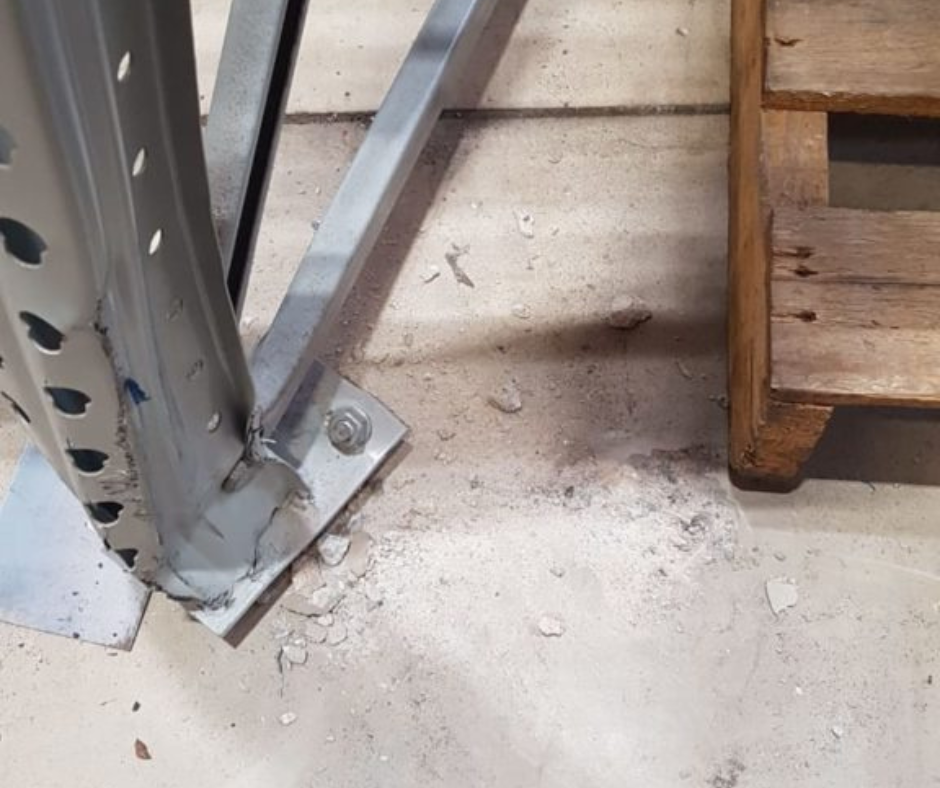
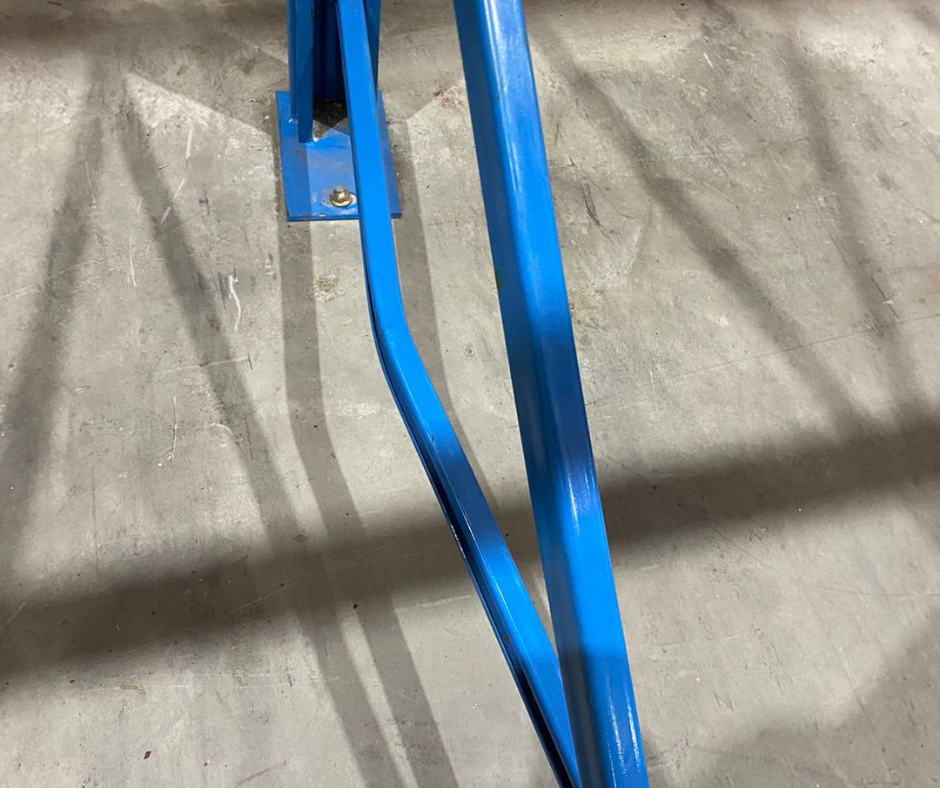
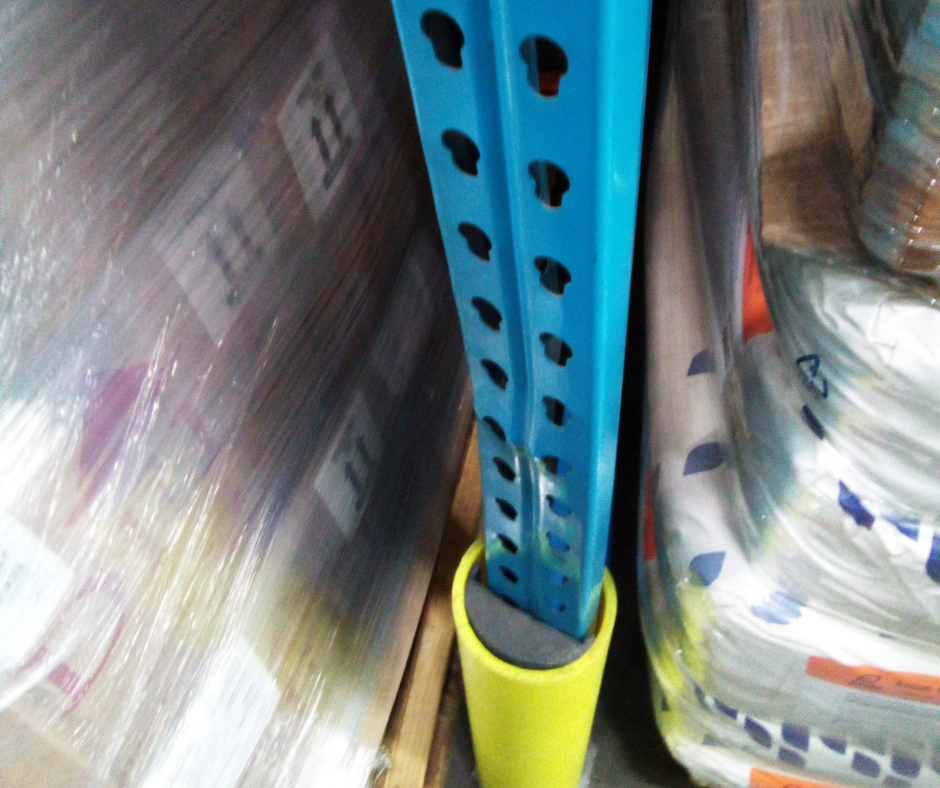
Bent or dented uprights and damaged bracing compromise the entire frame's load-bearing capacity.
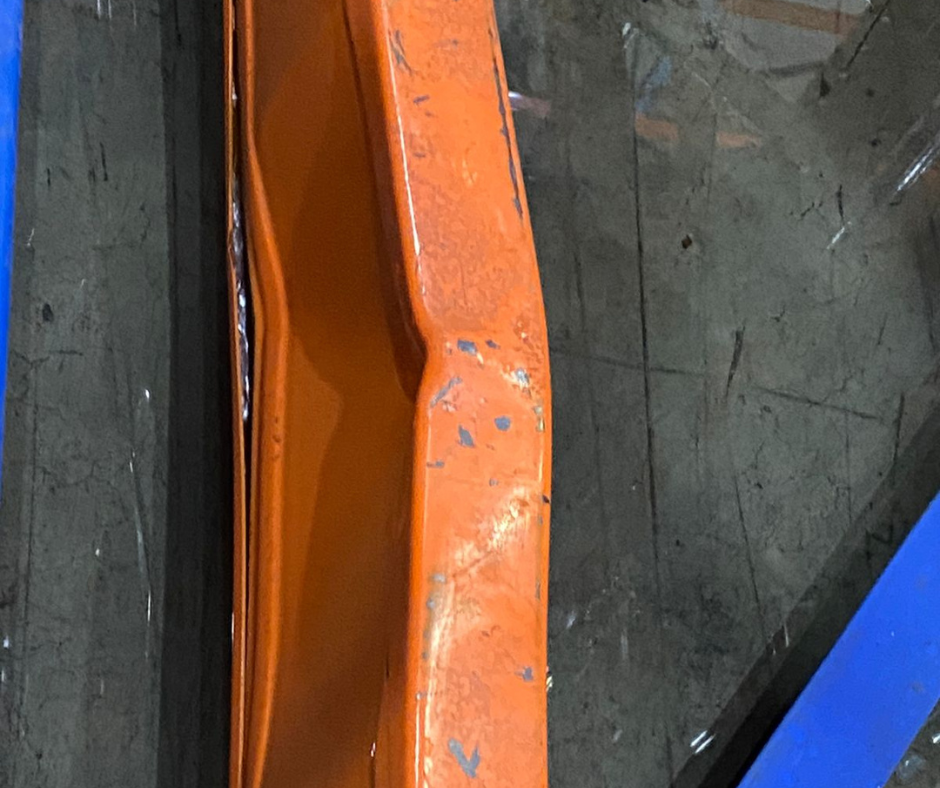
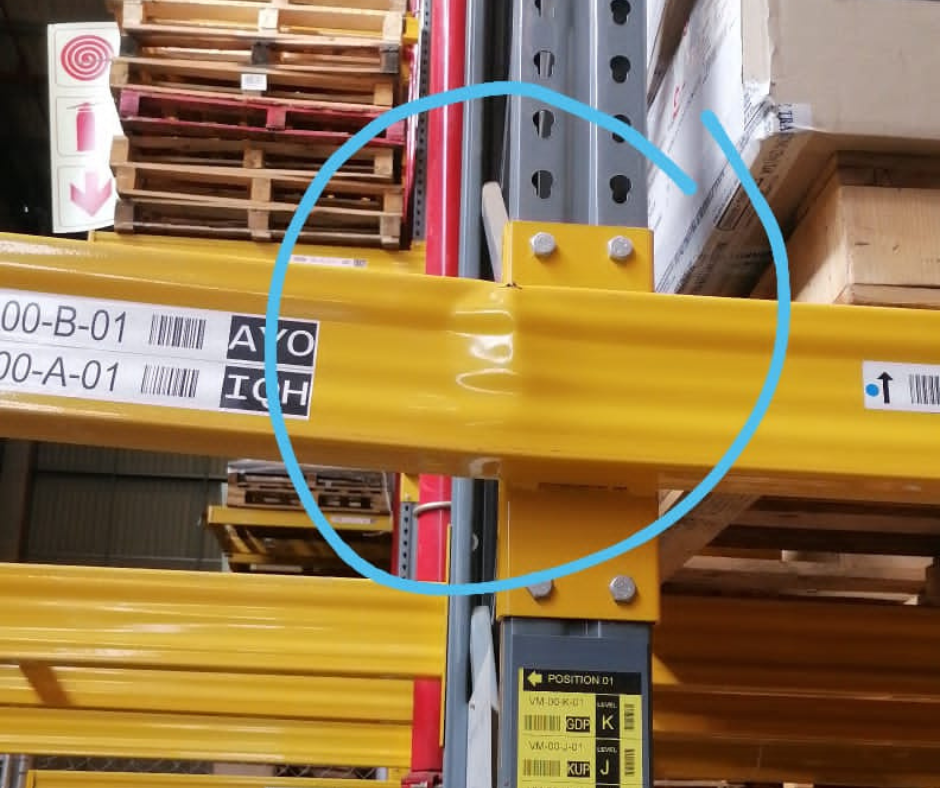
Damaged beams or connectors should be assessed immediately and not left in service.
Missing locking pins or safety clips can allow beams to dislodge under load.
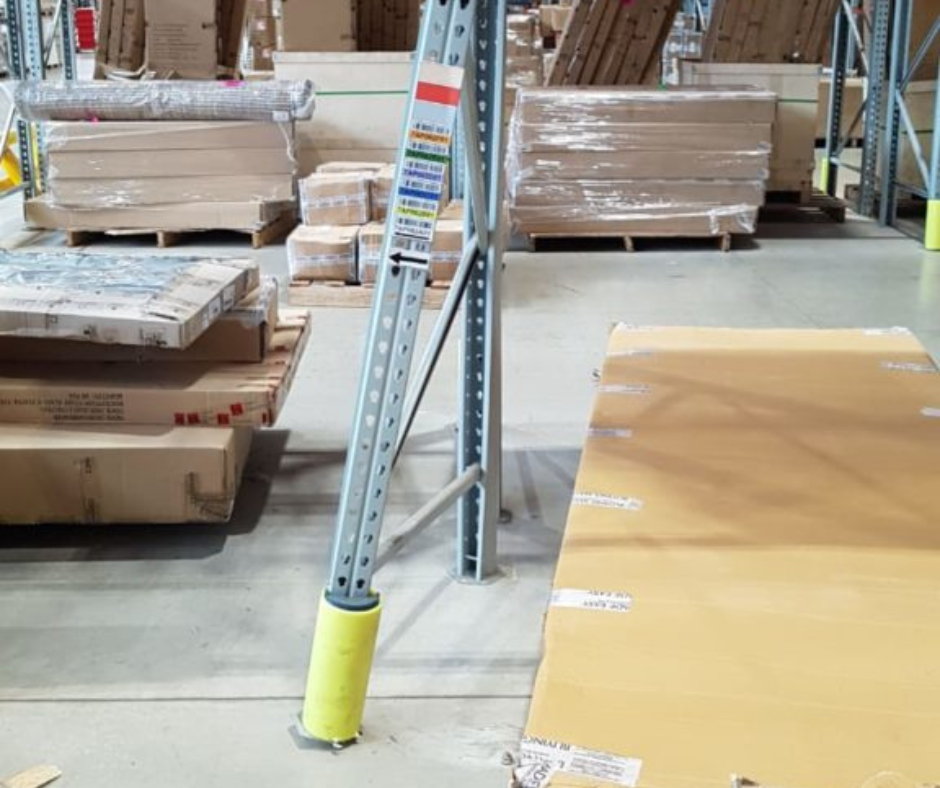
Any visible leaning or misalignment signals structural compromise and requires urgent attention.
Always operate within stated load limits. Never exceed what the system was designed to carry.
Damaged or incorrectly loaded pallets create uneven stress and increase collapse risk.
Overhanging or unsecured loads shift the centre of gravity and create hazardous conditions.
Obstructed access routes increase collision risk and complicate emergency responses.
No structural changes, beam-level alterations, or load increases without proper review.
Every impact must be reported. Damage is not always immediately visible after a collision.
REGULAR CHECKS
These four areas form the basis of good routine checking. Use our free checklist to run this consistently across your site.
FREE DOWNLOAD
A practical checklist to help your team identify visible racking and shelving risks early. Ready to use on-site — no technical knowledge required.
This checklist is designed for practical site awareness and routine visual checking. It does not replace formal inspection, engineering review, or load verification.
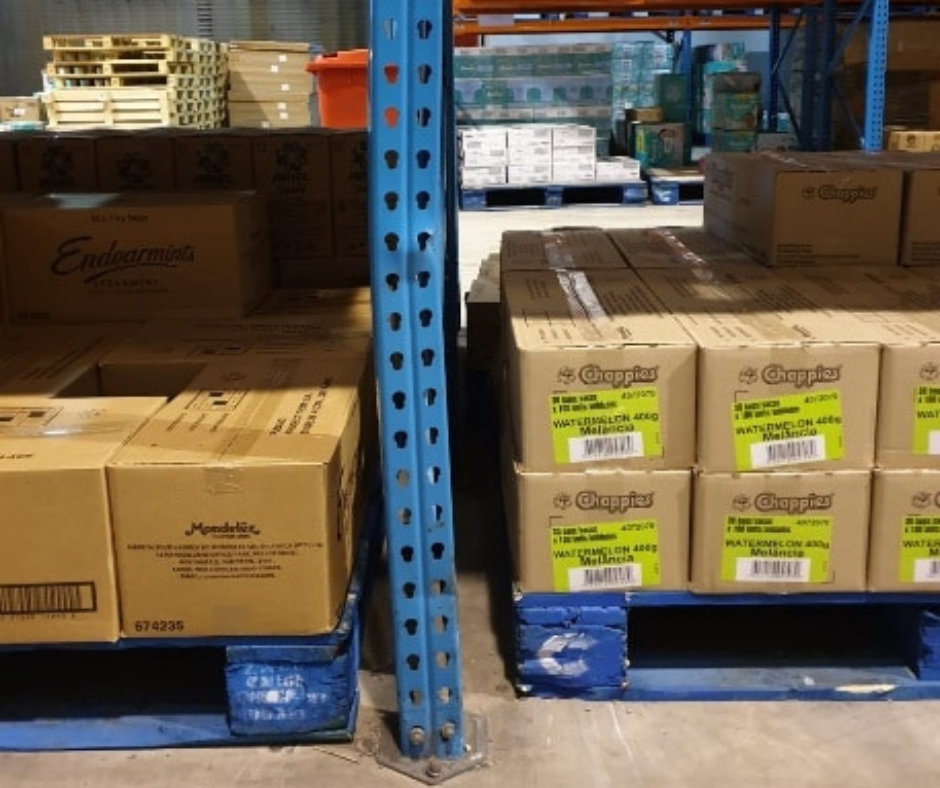
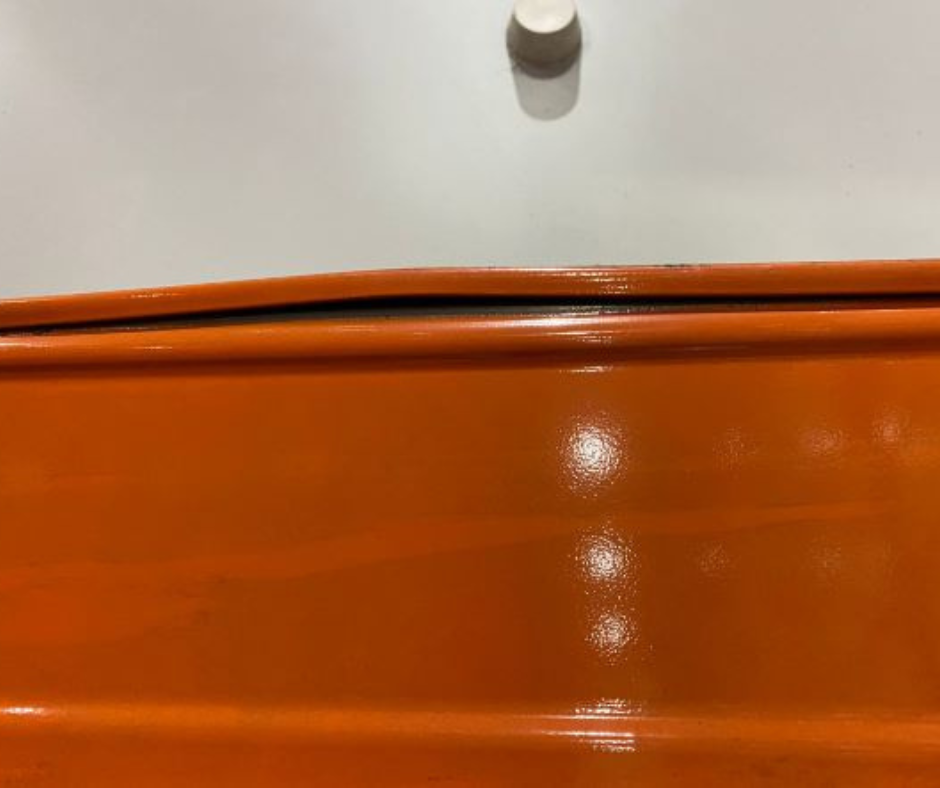
Damage categories
These three areas form the basis of good routine checking. Use our free checklist to run this consistently across your site.
Never ignore damage in any category..
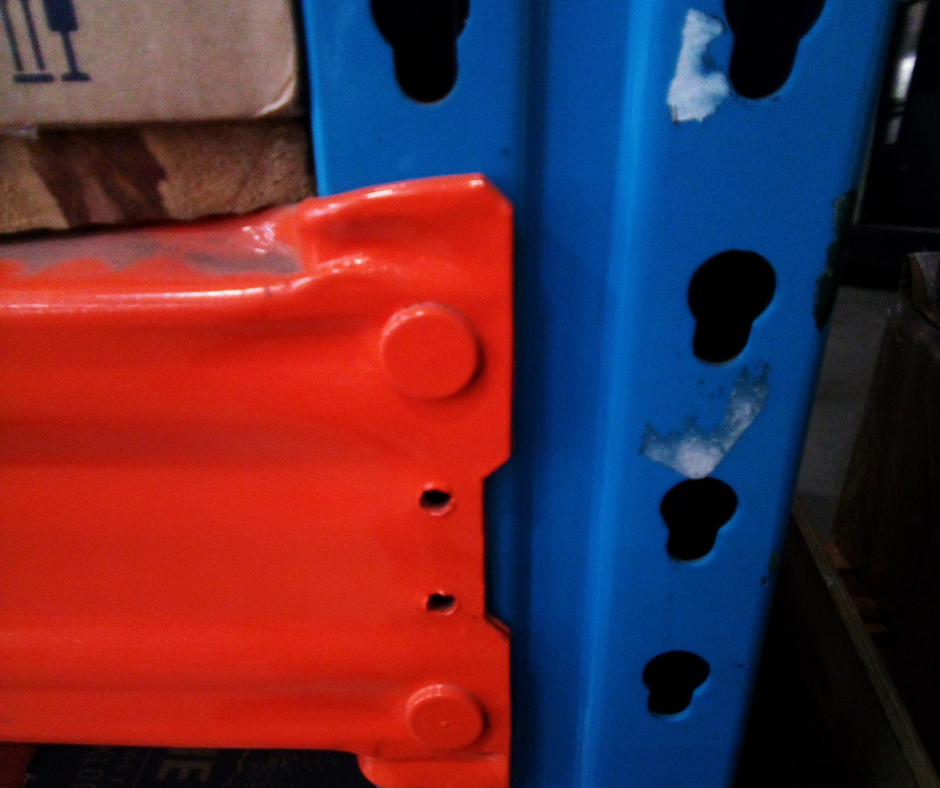
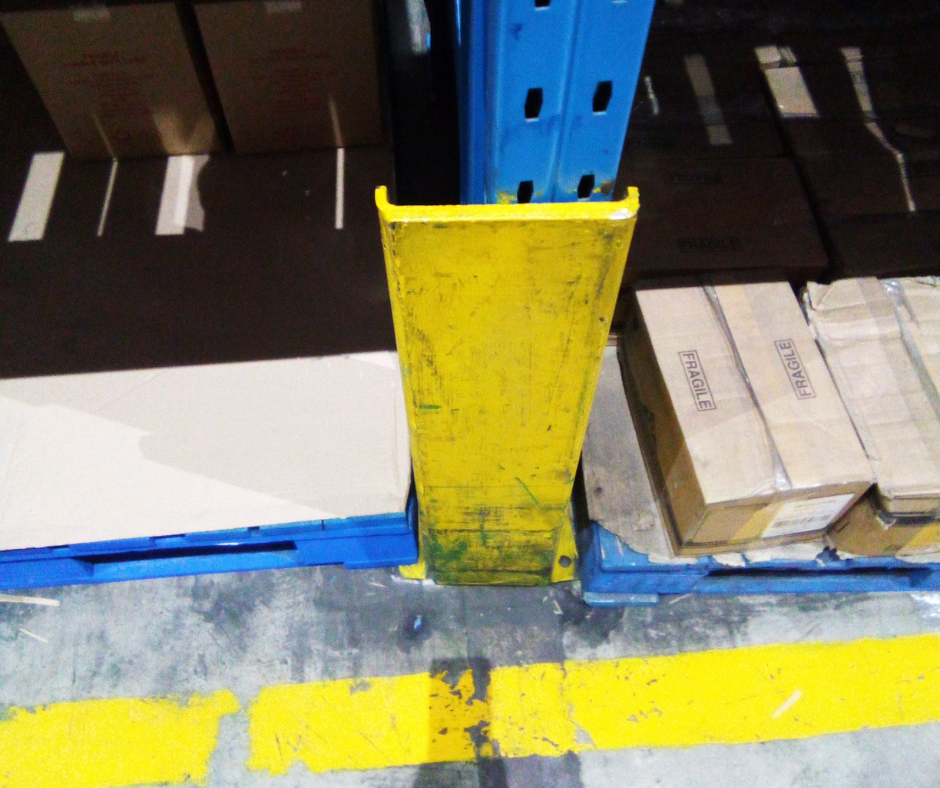
Immediate replacement needed. Remove from service now.
Replacement needed. Should not be ignored or deferred.
Monitor and review on a scheduled basis. Log and track.
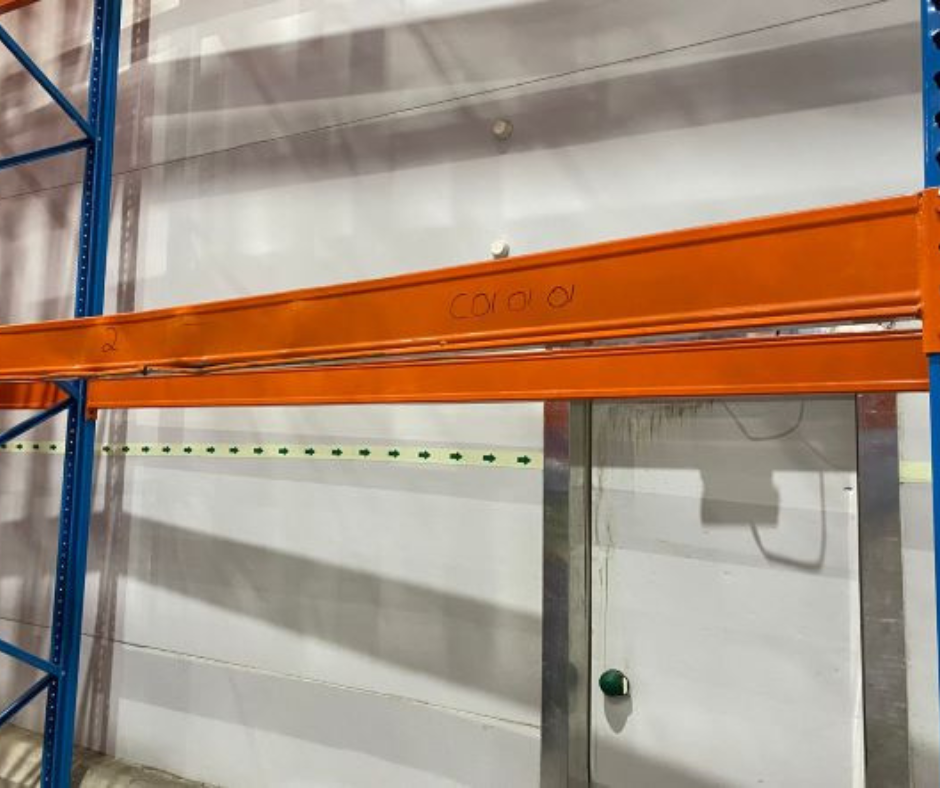
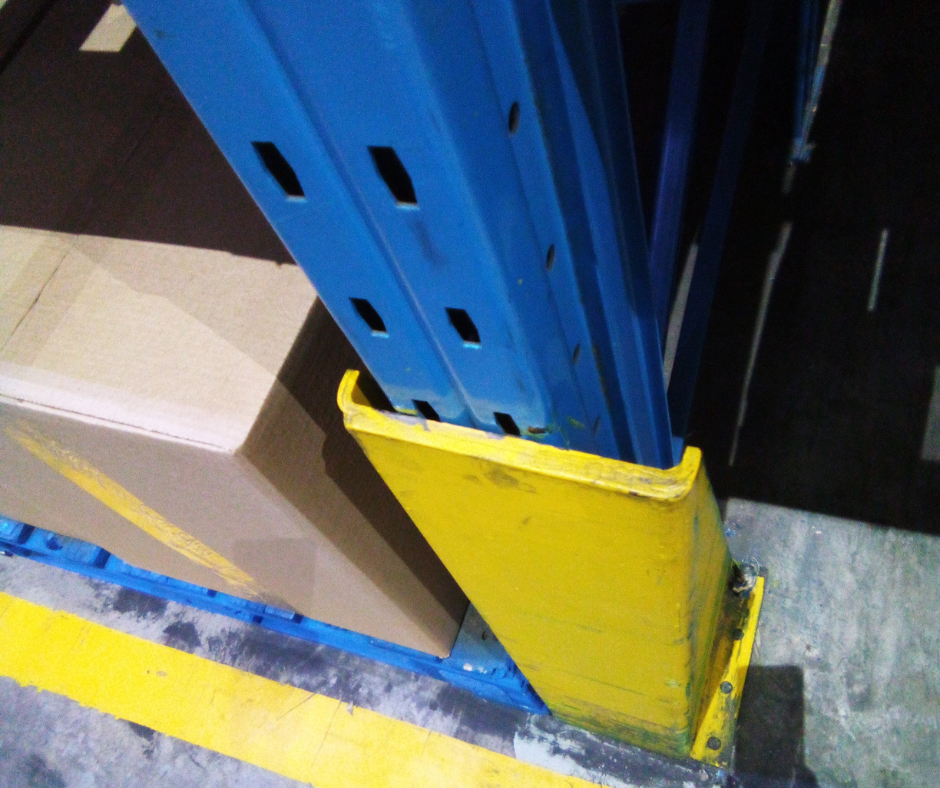
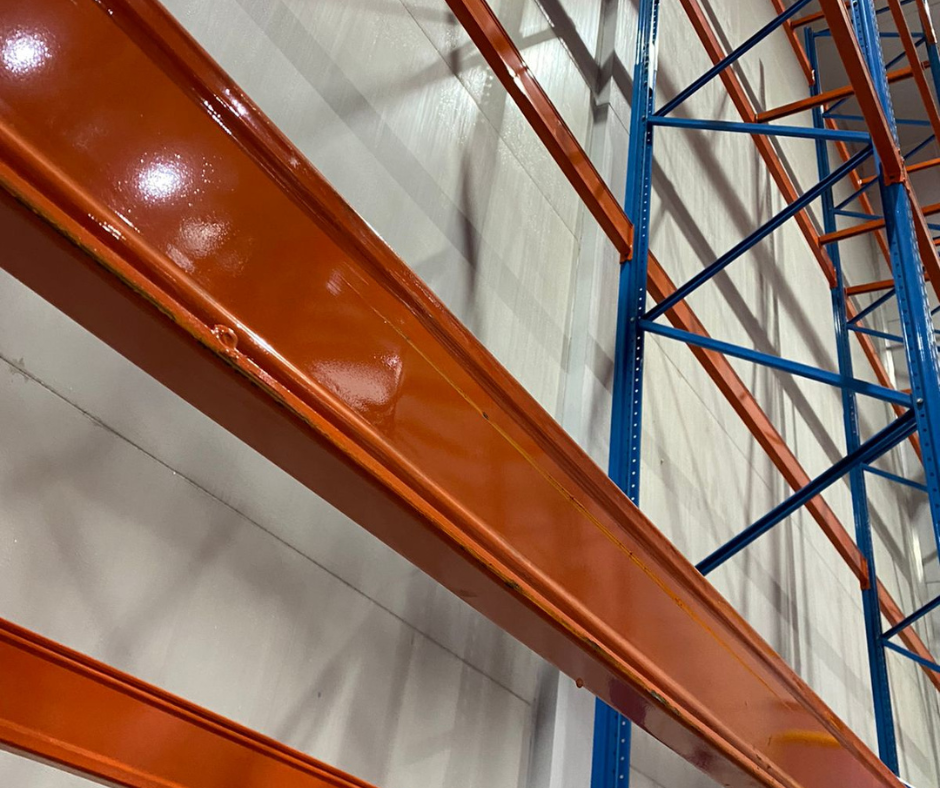
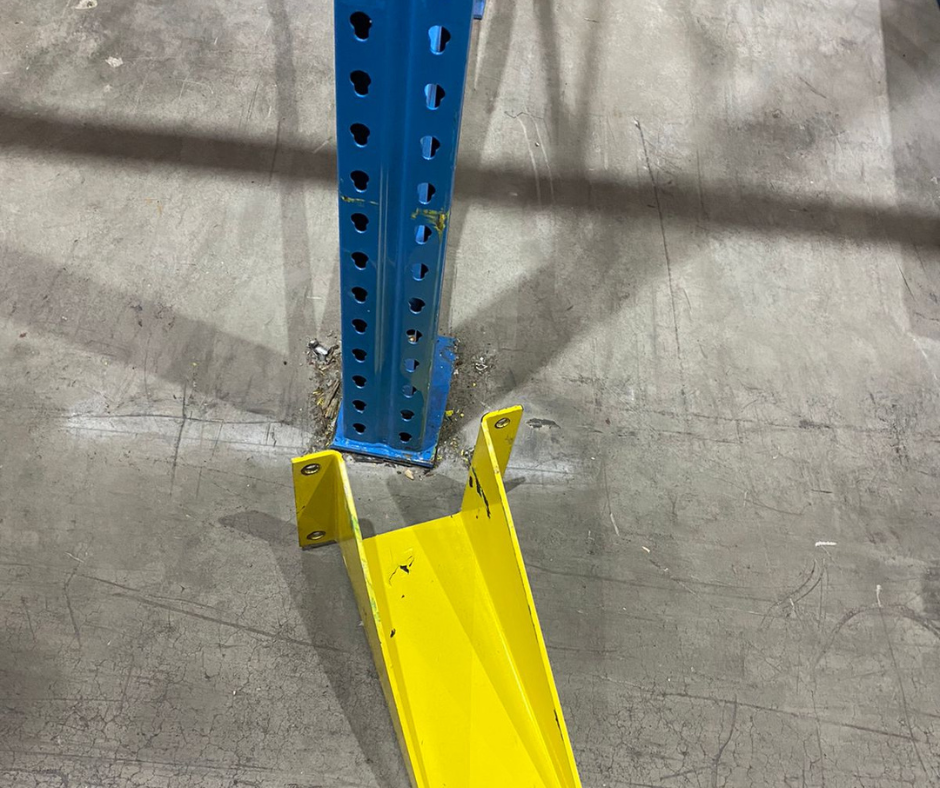
Taking action
If any of the following apply to your site, contact us to arrange an inspection or maintenance assessment.
Need for maintenance planning
Palian services
From one-off assessments to ongoing maintenance contracts, Palian provides the support to keep your installation safe, compliant, and operational.
Identify issues before they become operational problems or downtime events.
Documented inspection outputs with clear, actionable recommendations.
Guided repair or replacement with appropriate Category A, B, and C actions.
Regular audits and safety checks with the option of extended product guarantees.
Review storage efficiency and flag where use is approaching or exceeding limits.
A documented maintenance programme helps demonstrate a proactive approach to site safety.
Report it immediately and isolate the affected bay if there is any visible damage or concern. Do not assume the structure is safe because it still looks usable — damage is not always immediately visible. Have the area assessed by a qualified party before returning it to service.
Routine visual checks should form part of daily warehouse operations. Formal inspections should be conducted regularly — at minimum annually, or after any significant incident, change in load profile, or layout modification. More frequent checks are advisable in high-traffic environments.
All visible damage should be assessed. Palian's three-category system (A, B, C) helps guide the appropriate response — from immediate removal from service (Category A) through to monitoring (Category C). No damage category should be ignored.
No. Changes to beam levels, layout, or load profile should only be made following proper technical review. Incorrect changes can affect the structural performance of the system and invalidate any existing approval or certification. Contact Palian before making any storage modifications.
Damaged or substandard pallets can create uneven load distribution, cause beams to deform, and increase the risk of load collapse. Safe storage depends on both the racking structure and the pallet support used within it. Pallets should be checked before use and removed if damaged.
Signs can include deflecting beams, bowing uprights, unusual creaking or movement, and load notices that have not been updated following stock profile changes. If you are unsure whether your system is being used within its rated capacity, contact Palian for a utilisation assessment.
You should arrange an inspection after any significant impact, when visible damage has been identified, when load profiles have changed, when layout modifications are planned, or as part of a regular maintenance programme. If in doubt, contact Palian — early action is always more cost-effective than reactive repair.
Palian provides inspections, maintenance assessments, repair and replacement support, maintenance contracts, utilisation reviews, and engineering certification for qualifying large installations. Contact us to discuss the right level of support for your site.
Whether you need a free checklist, a site inspection, or an ongoing maintenance plan — Palian is here to help.