

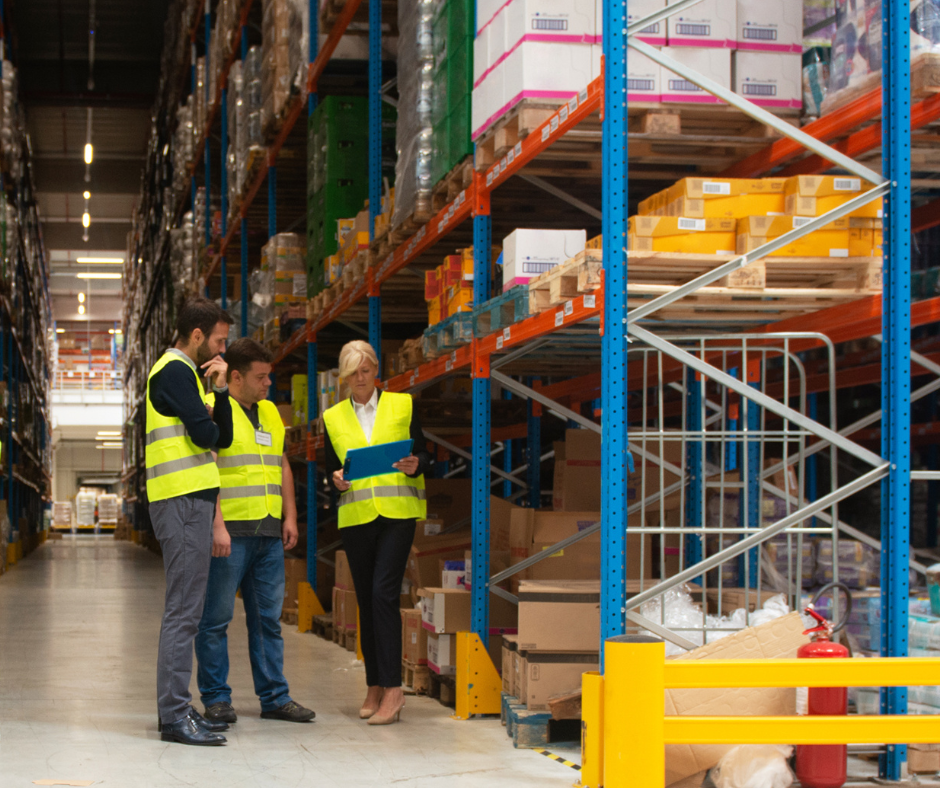
What Are the Safety Standards for Warehouse Shelving in South Africa?
Warehouse shelving systems are designed to improve organisation, maximise storage space and support efficient operations. However, shelving that is overloaded, poorly maintained or incorrectly installed can quickly become a serious safety risk.
In South Africa, warehouse shelving systems should comply with recognised engineering principles, safe loading practices and ongoing inspection procedures to ensure they remain safe and reliable over time.
Understanding warehouse shelving safety standards helps businesses protect staff, reduce product damage and maintain efficient warehouse operations.
Why Warehouse Shelving Safety Matters
Warehouse shelving is often seen as lower risk than pallet racking, but shelving systems still carry substantial weight and experience daily operational stress.
Over time, issues such as:
- overloading
- damaged shelves
- poor installation
- unstable loads
can affect the structural integrity of the system.
When shelving safety is ignored, the result can be collapsing shelves, falling stock, operational disruption and increased risk to warehouse staff.
This is why shelving systems should always be selected, installed and maintained correctly.
What Safety Standards Apply to Warehouse Shelving in South Africa?
Engineering and Load Compliance
Warehouse shelving systems should be designed according to recognised engineering standards and load requirements.
Each shelving system must:
- support the intended load safely
- distribute weight correctly
- remain stable under operational use
Load limits should always be clearly identified and never exceeded.
Understanding warehouse racking load limits is equally important when shelving and racking systems operate together within the same facility.
Correct Installation and Anchoring
Proper installation plays a major role in shelving safety.
Shelving systems should be:
- installed on suitable flooring
- level and correctly aligned
- securely anchored where required
Incorrect installation can lead to instability, uneven loading and long-term structural problems.
Regular Inspections and Maintenance
Warehouse shelving should be inspected regularly to identify damage or wear before it becomes a larger issue.
Routine inspections help identify:
- bent shelving components
- loose fixings
- corrosion or wear
- overloaded shelves
- unstable stock storage
These inspections form part of the importance of regular racking inspections and maintenance, helping businesses maintain safe and compliant storage systems.
Common Warehouse Shelving Safety Risks
Overloading Shelves
One of the most common safety risks is exceeding the designed load capacity of the shelving system.
This often happens gradually as stock levels increase over time. Excessive weight can cause shelves to bow, connectors to weaken, and entire bays to become unstable.
Uneven Weight Distribution
Even when total load limits are not exceeded, poor weight distribution can still create problems.
Heavy items should generally be stored lower down, while lighter items should be placed higher up to improve overall system stability.
Damaged Shelving Components
Damaged uprights, shelves or bracing components can weaken the structure and reduce load-bearing performance.
Recognising the early signs of racking damage and how to spot them can also help teams identify shelving-related issues before they escalate.
Poor Housekeeping Around Shelving
Blocked aisles, loose stock and cluttered shelving areas increase the risk of accidents and reduce operational efficiency.
Good housekeeping practices help maintain both safer working conditions and more efficient stock handling.
How Can Warehouses Improve Shelving Safety?
Use the Correct Shelving System
Different operations require different storage solutions. Choosing the right shelving system for the type of stock being stored is essential.
Businesses handling smaller hand-loaded products often benefit from systems such as:
- mini racking
- industrial shelving
- multi-level shelving systems
Understanding the differences between racking and shelving helps ensure the correct system is used for the application.
Train Staff on Safe Loading Practices
Staff should understand:
- shelving load limits
- safe loading techniques
- correct stock placement
- reporting procedures for damage
Consistent training significantly reduces misuse and operational damage.
Carry Out Routine Safety Checks
Daily visual checks help identify obvious issues before they become serious.
Warehouses should monitor:
- visible damage
- unstable loads
- leaning bays
- missing components
Regular observation is one of the simplest ways to improve warehouse safety.
Why Preventive Maintenance Is Important
Preventive maintenance helps extend the lifespan of warehouse shelving systems and reduces the likelihood of unexpected failures.
A proactive approach to maintenance:
- improves safety
- reduces downtime
- lowers long-term repair costs
- supports operational efficiency
Warehouses that maintain their shelving systems properly generally experience fewer disruptions and safer working conditions overall.
Choosing a Shelving Supplier That Prioritises Safety
Not all warehouse shelving systems are manufactured to the same standards.
Businesses should work with suppliers that provide:
- engineered load-rated systems
- professional installation
- ongoing inspection support
- maintenance services
- technical guidance
Palian manufactures shelving and storage systems designed for long-term performance, safety and operational reliability across South Africa.
Speak to Palian About Safe Warehouse Shelving Solutions
Palian provides professionally engineered shelving systems, inspections and maintenance support tailored to South African warehouse environments.
Whether you are installing a new storage system or reviewing the safety of an existing setup, proper guidance helps ensure safer and more efficient operations. Contact us about your requirements.
Frequently Asked Questions
How often should warehouse shelving be inspected?
Shelving should be checked regularly through daily visual inspections and supported by routine formal assessments depending on warehouse activity levels.
What is the most common shelving safety risk?
Overloading is one of the most common shelving safety risks. Exceeding load limits can weaken shelving components and increase the risk of collapse.
Can damaged shelving still be used?
Damaged shelving should always be assessed before continued use. Even minor damage can affect structural integrity and long-term safety.